

Introduction

Gaming has become one of the fastest-growing industries in the digital world, transforming from a simple form of entertainment into a global cultural phenomenon. Today, gaming is enjoyed by millions of people across all age groups, offering immersive experiences that combine storytelling, competition, creativity, and advanced technology. From mobile devices to high-end consoles and PCs, gaming has evolved into a powerful industry that continues to shape modern entertainment.
One of the biggest reasons for gaming’s popularity is the wide variety of genres available. Players can enjoy action-packed adventure games, where exploration and storytelling play a key role, or dive into intense horror games that create thrilling and suspenseful experiences. These game types provide unique emotions and challenges that keep players engaged for hours.
The gaming industry is also driven by major companies like Epic Games, which has played a major role in revolutionizing game development and interactive experiences. Its advanced gaming engines and popular titles have helped shape modern gaming culture worldwide.
Gaming is no longer just a hobby—it has become a professional career path for many individuals through eSports, streaming, and game development. Competitive gaming tournaments attract global audiences and offer huge prize pools, making gaming a serious industry with real-world opportunities.
Interestingly, global sports events like the Tokyo 2020 Summer Olympics have also inspired digital gaming culture, encouraging the growth of sports-based video games and competitive simulations. This connection between real sports and virtual gaming has further expanded the industry’s reach.
Overall, gaming continues to evolve with new technologies such as virtual reality, artificial intelligence, and cloud gaming. As a result, it has become one of the most influential forms of entertainment in the modern digital era.
What is Gaming?
Gaming refers to the activity of playing electronic or digital games on devices such as smartphones, computers, gaming consoles, or virtual reality systems. It is a form of interactive entertainment where players engage with a virtual environment, follow rules, complete missions, and achieve specific goals.
In today’s digital era, gaming is no longer limited to simple fun or pastime activity. It has evolved into a powerful industry that combines technology, storytelling, creativity, and competition. Modern games offer realistic graphics, immersive sound effects, and complex gameplay that make the experience more engaging than ever before.
Gaming can be broadly categorized into different types based on gameplay style and user experience. Some players prefer fast-paced action games, while others enjoy story-driven adventure games that focus on exploration and problem-solving. Similarly, horror games are designed to create fear, suspense, and excitement through dark environments, unexpected events, and psychological storytelling.
The industry is heavily influenced by major developers and publishers like Epic Games, which has contributed significantly to modern game development tools and global gaming culture. Their innovations have made it easier for developers to create high-quality games with advanced graphics and interactive features.
Gaming is also closely connected to competitive entertainment, including eSports tournaments and global events. Even major sports events like the Tokyo 2020 Summer Olympics have inspired sports-based video games and digital simulations, blending real-world athletics with virtual gaming experiences.
Overall, gaming represents a dynamic and ever-evolving form of entertainment that continues to grow with advancements in technology, offering endless possibilities for players around the world.
Adventure Games – A World of Exploration

Adventure games are one of the most popular and engaging genres in the gaming industry. These games focus on storytelling, exploration, puzzle-solving, and immersive environments that allow players to experience virtual worlds in a highly interactive way. Unlike fast-action games, adventure games often emphasize creativity, decision-making, and narrative-driven gameplay.
In adventure games, players usually take on the role of a main character who must complete missions, solve mysteries, or explore unknown territories. The storyline plays a key role, and every decision made by the player can influence the outcome of the game. This makes the experience more personal and emotionally engaging.
Modern adventure games feature highly detailed graphics, realistic environments, and cinematic storytelling that make players feel like they are part of a real journey. From ancient civilizations and fantasy worlds to futuristic cities, adventure games offer limitless possibilities for exploration.
The popularity of this genre has grown significantly due to advancements in gaming technology and powerful development tools created by companies like Epic Games
Horror Games – Thrill & Fear Experience
Horror games are designed to deliver intense fear, suspense, and psychological thrill to players. This genre focuses on creating an atmosphere of tension where players must survive dangerous situations, escape terrifying environments, or uncover dark mysteries. Unlike other game types, horror games rely heavily on emotional reactions such as fear, surprise, and anxiety to keep players engaged.
A key feature of horror games is their storytelling style. Many games place players in abandoned locations, haunted houses, or post-apocalyptic worlds where danger can appear at any moment. Limited resources, dark visuals, and unpredictable enemies make the experience even more intense. Sound design also plays a major role, as eerie background noises and sudden audio cues increase the feeling of suspense.
There are different styles of horror games, including survival horror, psychological horror, and action-horror. Survival horror focuses on escaping threats with limited weapons or resources, while psychological horror targets the player’s mind with disturbing narratives and unexpected twists.
The popularity of horror games has increased with advancements in graphics and game engines developed by companies like Epic Games. These technologies allow developers to create highly realistic environments that make horror experiences more immersive than ever before.
Today, horror games are not only popular among casual players but also among content creators and streamers, as the reactions and suspense make them highly entertaining to watch.
Overall, horror games offer a unique blend of fear and excitement, making them one of the most thrilling genres in the gaming industry.
Epic Games & Gaming Industry Growth
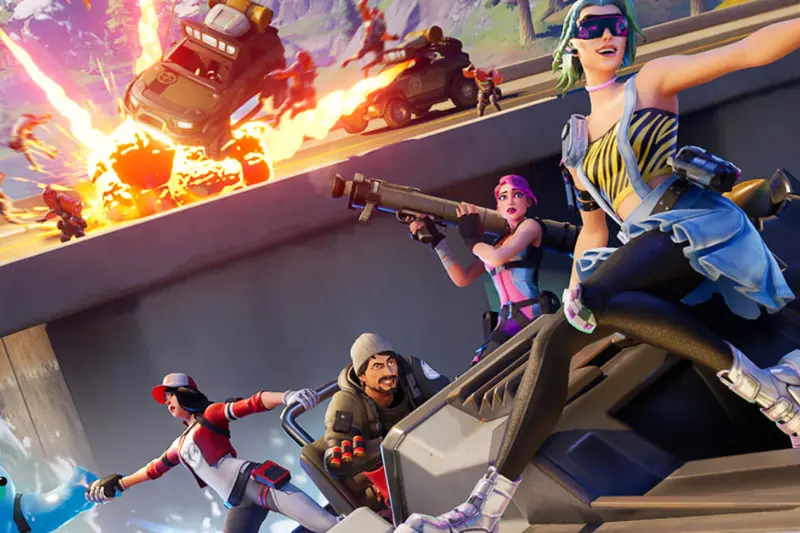
The modern gaming industry has grown rapidly due to powerful technology, creative storytelling, and advanced development tools. One of the most influential companies in this space is Epic Games, which has played a major role in shaping how games are created, played, and experienced worldwide.
Epic Games is best known for developing high-quality gaming engines and popular titles that have transformed the global gaming culture. Its advanced technology allows developers to build highly realistic environments, smooth gameplay mechanics, and visually stunning experiences that attract millions of players across different platforms.
One of the biggest contributions of Epic Games to the industry is its game development engine, which has made it easier for both large studios and independent developers to create professional-level games. This innovation has significantly improved the quality of modern games, making them more immersive and interactive.
In addition to development tools, Epic Games has also influenced the rise of online multiplayer gaming. Competitive gaming, live events, and virtual experiences have become a major part of the gaming ecosystem, bringing players together from all over the world.
The growth of the gaming industry is also closely linked to rising interest in genres like adventure games and horror games, which continue to attract large audiences due to their engaging gameplay and emotional depth. This expansion has turned gaming into a multi-billion-dollar global industry.
Overall, Epic Games and similar companies have revolutionized the gaming world, pushing innovation forward and shaping the future of interactive entertainment.
India Olympic Games Tokyo 2020 & Gaming Connection 🇮🇳
The Tokyo 2020 Summer Olympics was one of the most memorable global sporting events, bringing together athletes from around the world to compete at the highest level. India also delivered a historic performance, winning multiple medals and gaining recognition in several sports categories. This achievement boosted national pride and inspired millions of young athletes.
Although the Olympics is a real-world sporting event, it also has a strong connection with the gaming world. Many modern sports games are designed based on real Olympic events, allowing players to experience athletics, competition, and training in a virtual environment. This blend of real sports and digital gaming has created a new bridge between physical and virtual entertainment.
In recent years, the rise of eSports has further strengthened this connection. Competitive gaming tournaments now follow similar structures to traditional sports events, with professional players, teams, rankings, and global audiences. This has made gaming more than just entertainment—it is now a recognized competitive discipline.
The success of India in the Tokyo 2020 Olympics also inspired the development of sports-based video games and simulations. Players can now experience athletics, training challenges, and competitive matches through advanced gaming systems. This has increased interest in both real sports and digital gaming among young audiences.
Gaming companies like Epic Games have also contributed to this evolution by developing realistic engines that make sports simulations more immersive and engaging.
Overall, the connection between the Olympics and gaming highlights how digital entertainment is evolving. It shows that gaming is not just about fantasy worlds or action experiences, but also about recreating real-world events in interactive and exciting ways.
Rise of Online & Competitive Gaming
Online and competitive gaming has become one of the fastest-growing segments in the global gaming industry. With the rise of high-speed internet and powerful gaming devices, players from different countries can now connect, compete, and collaborate in real time. This shift has turned gaming into a global community rather than just a personal hobby.
One of the biggest developments in this space is the growth of multiplayer gaming. Games now allow millions of players to interact in shared virtual environments, forming teams, completing missions, and competing in tournaments. This has made gaming more social, interactive, and engaging than ever before.
Competitive gaming, also known as eSports, has transformed the gaming landscape into a professional industry. Players now participate in international tournaments, earn sponsorships, and build careers as professional gamers. These events are streamed worldwide, attracting millions of viewers and generating massive revenue.
Streaming platforms like YouTube Gaming and Twitch have also contributed to this rise. Gamers can now broadcast their gameplay live, interact with audiences, and build global fan communities. This has created new career opportunities such as streamers, content creators, and game analysts.
Technology companies like Epic Games have played a key role in supporting online multiplayer ecosystems. Their innovations in game engines and online infrastructure have made large-scale competitive gaming possible.
Overall, the rise of online and competitive gaming shows how the industry has evolved from simple entertainment into a global digital sport. It continues to grow rapidly, shaping the future of entertainment, communication, and digital careers.
Future of Gaming Industry
The future of the gaming industry is expected to be more advanced, immersive, and interactive than ever before. With rapid improvements in technology, gaming is moving beyond traditional screens into fully immersive digital experiences that blend reality and virtual environments.
One of the biggest future trends is Virtual Reality (VR) gaming, where players can physically feel like they are inside the game world. VR headsets and motion tracking systems are making gameplay more realistic, allowing users to interact naturally with virtual objects and environments.
Another major development is Augmented Reality (AR) gaming, which blends digital elements with the real world. This type of gaming allows players to experience interactive gameplay in their physical surroundings, making entertainment more engaging and dynamic.
Cloud gaming is also shaping the future of the industry. Instead of relying on expensive hardware, players can stream games directly over the internet. This makes high-quality gaming accessible to more people across different devices, including mobile phones, tablets, and low-end PCs.
Artificial intelligence is another powerful force in the future of gaming. AI-driven characters, adaptive difficulty levels, and personalized gameplay experiences are making games smarter and more responsive to player behavior.
Companies like Epic Games are continuously developing advanced tools and engines that support these innovations, helping developers create more realistic and interactive experiences.
As gaming evolves, even global sporting events like the Tokyo 2020 Summer Olympics inspire the growth of realistic sports simulations and competitive eSports formats.
Overall, the future of gaming is heading toward a fully immersive digital ecosystem where technology, creativity, and interaction combine to create limitless entertainment possibilities.
Benefits and Impact of Gaming
Gaming has become more than just entertainment; it now plays an important role in skill development, social interaction, and digital learning. When used in a balanced way, gaming can offer several positive benefits for players of all ages.
One of the key benefits of gaming is improved cognitive ability. Many games require quick thinking, problem-solving, and strategic planning. Genres like adventure games help players develop creativity and decision-making skills, while horror games improve focus and reaction time due to their fast-paced and unpredictable environments.
Gaming also enhances hand-eye coordination and reflexes. Action-based gameplay encourages players to respond quickly to visual and audio cues, which can improve multitasking abilities in real life.
Another important impact of gaming is social connection. Online multiplayer games allow players to interact with others around the world, forming friendships, teams, and communities. This global connectivity has turned gaming into a shared social experience rather than a solo activity.
The gaming industry also creates career opportunities. Professional gaming, game development, streaming, and content creation have become popular career paths. Companies like Epic Games contribute to this ecosystem by providing advanced tools and platforms for developers and creators.
However, gaming also has some negative effects if not managed properly. Excessive gaming can lead to addiction, reduced physical activity, and distraction from studies or work. Therefore, maintaining a balanced gaming routine is very important.
Overall, gaming has a strong impact on both entertainment and personal development. When used responsibly, it can provide education, enjoyment, and valuable life skills in the modern digital age.
Conclusion
Gaming has evolved into one of the most powerful and influential industries in the modern digital world. What once started as a simple form of entertainment has now become a global ecosystem that combines technology, creativity, competition, and storytelling. Today, gaming is not only about playing for fun but also about building skills, connecting with others, and even creating career opportunities.
Different genres such as adventure games and horror games continue to attract millions of players by offering unique and immersive experiences. These games allow users to explore new worlds, solve challenges, and enjoy thrilling gameplay that keeps them engaged for hours.
The contribution of major companies like Epic Games has played a major role in shaping the modern gaming industry. With advanced game engines and innovative technologies, they have transformed how games are developed and experienced across the world.
At the same time, global events like the Tokyo 2020 Summer Olympics have also inspired digital gaming culture, especially in sports-based simulations and competitive gaming formats. This connection between real-world sports and virtual gaming shows how deeply gaming is integrated into modern life.
Looking ahead, the future of gaming is extremely promising, with technologies like virtual reality, augmented reality, and artificial intelligence pushing the boundaries of what is possible. As the industry continues to grow, gaming will remain a central part of global entertainment and digital innovation.
FAQs
What is gaming?
Gaming is the activity of playing video games on devices such as mobile phones, computers, consoles, or VR systems for entertainment and interaction.
What are adventure games?
Adventure games are story-based games that focus on exploration, missions, puzzles, and decision-making in immersive virtual worlds.
What are horror games?
Horror games are designed to create fear, suspense, and excitement using dark environments, sound effects, and survival-based gameplay.
What is Epic Games known for?
Epic Games is known for creating advanced game engines, popular video games, and tools that help developers build high-quality gaming experiences.
What is eSports gaming?
eSports is competitive gaming where professional players and teams compete in organized tournaments for prizes and recognition.
How does gaming help in real life?
Gaming can improve problem-solving skills, reflexes, creativity, teamwork, and decision-making abilities when played responsibly.
What is the connection between the Tokyo 2020 Summer Olympics and gaming?
The Olympics inspired sports-based video games and simulations, connecting real sports with digital gaming experiences.
Is gaming a good career option?
Is gaming a good career option?
What is the future of gaming?
The future of gaming includes VR, AR, AI-powered games, cloud gaming, and more immersive digital experiences.
Can gaming be addictive?
Yes, excessive gaming can lead to addiction, so it is important to maintain a balanced and healthy gaming routine.