Introduction

Lifestyle is more than just the way we live; it reflects our daily habits, choices, values, and routines that shape our overall well-being. From the food we eat and the activities we engage in to the way we manage our time and relationships, every decision contributes to our lifestyle. In today’s fast-paced world, people are becoming increasingly aware of the impact their lifestyle has on their physical health, mental wellness, financial stability, and environmental footprint.
Modern lifestyle trends have evolved significantly over the years. Many individuals are embracing a minimalist lifestyle to reduce clutter, focus on what truly matters, and achieve greater peace of mind. At the same time, growing environmental concerns have encouraged people to adopt a zero waste lifestyle, which emphasizes reducing waste, conserving resources, and living more sustainably. These intentional approaches to living help individuals create healthier and more meaningful lives.
On the other hand, unhealthy habits can negatively affect long-term well-being. A sedentary lifestyle, characterized by prolonged sitting and limited physical activity, has become increasingly common due to technological advancements and desk-based work environments. Understanding the risks associated with inactivity is essential for maintaining good health and preventing chronic diseases.
Lifestyle is also influenced by various communities, services, and platforms that support personal growth and convenience. Terms such as JAA Lifestyle Sign Up and MJ Lifestyle Amadeus highlight how modern lifestyle-focused programs and services are becoming part of everyday life for many people seeking personalized experiences and improved living standards.
This comprehensive guide explores the concept of lifestyle from multiple perspectives, including health, sustainability, productivity, and personal development. Whether you want to simplify your life, improve your health, reduce your environmental impact, or discover emerging lifestyle trends, this article will provide practical insights and actionable strategies to help you build a better and more fulfilling future.
What Is a Lifestyle?
A lifestyle refers to the way a person lives and interacts with the world around them. It encompasses daily habits, behaviors, attitudes, values, and decisions that collectively define an individual’s way of life. While some aspects of lifestyle are influenced by personal preferences, others are shaped by factors such as culture, education, income, environment, and social relationships.
At its core, lifestyle is reflected in everyday activities. The foods people choose to eat, how often they exercise, the amount of sleep they get, their work routines, spending habits, and even leisure activities all contribute to their lifestyle. These choices may seem small on a day-to-day basis, but over time they have a significant impact on health, happiness, productivity, and overall quality of life.
A healthy lifestyle typically includes balanced nutrition, regular physical activity, sufficient sleep, stress management, and positive social connections. People who prioritize these habits often experience better physical and mental well-being. In contrast, unhealthy patterns such as poor eating habits, lack of exercise, and excessive screen time can lead to various health challenges and reduced life satisfaction.
Lifestyle is not a one-size-fits-all concept. Different individuals adopt different approaches based on their goals and values. For example, a person pursuing a minimalist lifestyle focuses on simplicity and intentional living, while someone following a zero waste lifestyle prioritizes environmental sustainability and reducing waste. These lifestyle choices reflect unique priorities but share a common goal of improving overall well-being.
In recent years, lifestyle has become a major topic of interest as people seek better ways to balance work, health, relationships, and personal growth. The rise of digital technology, remote work, and wellness movements has encouraged individuals to reevaluate their routines and make more conscious decisions about how they live.
Understanding what lifestyle truly means is the first step toward making positive changes. By identifying habits that support your goals and eliminating those that hinder progress, you can create a lifestyle that promotes long-term success, fulfillment, and happiness.
The Importance of Choosing the Right Lifestyle
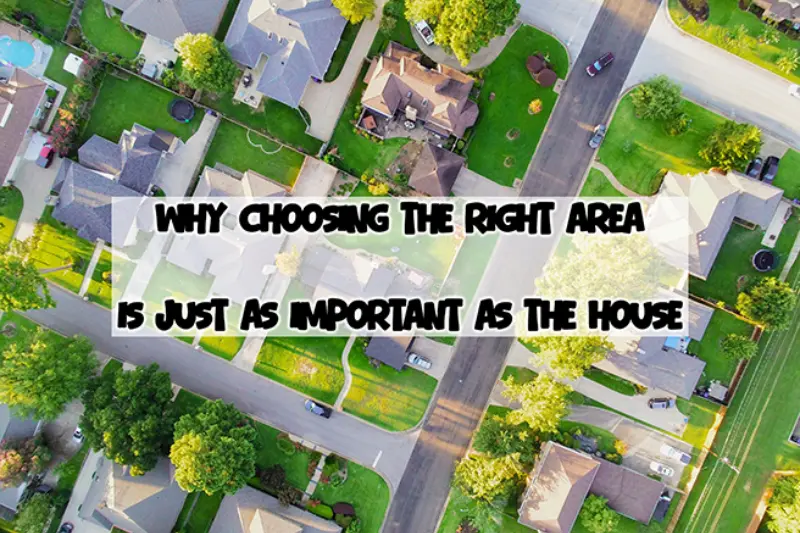
The lifestyle choices we make every day play a crucial role in determining our overall quality of life. From health and happiness to financial stability and personal growth, the right lifestyle can positively influence nearly every aspect of our lives. While many people focus on short-term goals, adopting a sustainable and balanced lifestyle creates long-term benefits that contribute to lasting success and well-being.
One of the most significant advantages of a healthy lifestyle is improved physical health. Regular exercise, nutritious eating habits, proper hydration, and adequate sleep help the body function efficiently and reduce the risk of chronic illnesses such as heart disease, diabetes, and obesity. Even small changes in daily routines can lead to substantial improvements in energy levels and overall fitness.
Mental and emotional well-being are equally important. A balanced lifestyle helps reduce stress, anxiety, and burnout while promoting greater focus and emotional resilience. Activities such as meditation, exercise, spending time with loved ones, and pursuing hobbies can significantly improve mental health. People who maintain healthy routines often experience higher levels of confidence, motivation, and life satisfaction.
Financial stability is another area influenced by lifestyle decisions. Spending wisely, avoiding unnecessary purchases, and planning for the future can reduce financial stress and create opportunities for long-term growth. This is one reason why many people are attracted to a minimalist lifestyle, which encourages mindful consumption and prioritizing value over excess.
Environmental responsibility has also become an important consideration. Adopting a zero waste lifestyle allows individuals to reduce their ecological footprint by minimizing waste, reusing materials, and making sustainable purchasing decisions. These habits not only benefit the environment but often lead to more intentional and cost-effective living.
Conversely, unhealthy patterns such as a sedentary lifestyle can have serious consequences. Prolonged inactivity is linked to numerous health risks, including weight gain, cardiovascular disease, and reduced mental well-being. Recognizing these risks and making conscious adjustments can greatly improve overall health.
Ultimately, choosing the right lifestyle is about aligning daily habits with personal goals and values. By making thoughtful decisions and maintaining positive routines, individuals can enjoy better health, stronger relationships, greater financial security, and a more fulfilling life.
Minimalist Lifestyle: Living More with Less
In a world filled with constant advertisements, endless consumer choices, and busy schedules, many people are turning to a minimalist lifestyle as a way to simplify their lives and focus on what truly matters. Minimalism is not about deprivation or living with as few possessions as possible. Instead, it is a conscious approach to removing unnecessary distractions and prioritizing the things that add genuine value and purpose.
A minimalist lifestyle encourages individuals to evaluate their possessions, commitments, and daily habits. Rather than accumulating more items, minimalists focus on owning only what they need and use regularly. This approach can lead to a cleaner living space, reduced stress, and greater clarity of mind. By eliminating clutter, people often find it easier to concentrate on their goals and enjoy a more organized environment.
One of the biggest benefits of minimalism is financial freedom. When people become more intentional about their purchases, they spend less on unnecessary items and save more money for experiences, investments, and future goals. Minimalism promotes mindful spending, helping individuals distinguish between wants and needs.
The mental health benefits are equally significant. Excessive clutter can create feelings of overwhelm and anxiety, while a simplified environment often promotes relaxation and focus. Many people who adopt a minimalist lifestyle report feeling less stressed and more satisfied with their daily lives.
Minimalism also supports sustainability. By purchasing fewer products and using items for longer periods, individuals reduce waste and consume fewer natural resources. This naturally aligns with many principles of a zero waste lifestyle, making minimalism an environmentally responsible choice.
Starting a minimalist lifestyle does not require drastic changes. Small steps such as decluttering one room, organizing digital files, limiting impulse purchases, and focusing on meaningful experiences can make a noticeable difference. Over time, these habits create a lifestyle centered on purpose rather than possessions.
Ultimately, a minimalist lifestyle is about making room for what matters most. By simplifying daily life and eliminating unnecessary distractions, individuals can enjoy greater freedom, improved well-being, and a stronger sense of fulfillment.
Understanding the Risks of a Sedentary Lifestyle

A sedentary lifestyle is characterized by long periods of sitting or inactivity with little to no physical movement throughout the day. As technology continues to advance and more jobs become desk-based, sedentary behavior has become increasingly common around the world. While modern conveniences make life easier, excessive inactivity can have serious consequences for both physical and mental health.
Many people unknowingly adopt a sedentary lifestyle through daily activities such as working at a computer, watching television, playing video games, or spending extended periods on smartphones. Even individuals who exercise occasionally may still face health risks if they remain inactive for most of the day. This highlights the importance of incorporating movement into everyday routines rather than relying solely on short workout sessions.
One of the primary dangers of a sedentary lifestyle is weight gain. When the body burns fewer calories than it consumes, excess energy is stored as fat, increasing the likelihood of obesity. Inactivity is also linked to a higher risk of cardiovascular disease, high blood pressure, type 2 diabetes, and certain types of cancer. Over time, these conditions can significantly impact overall health and life expectancy.
The effects are not limited to physical health. Research has shown that prolonged inactivity can negatively affect mental well-being, contributing to increased stress, anxiety, and depression. A lack of movement may also reduce energy levels, impair concentration, and decrease productivity. In contrast, regular physical activity helps release endorphins, which support a positive mood and improved cognitive function.
Fortunately, overcoming a sedentary lifestyle does not require dramatic changes. Simple actions such as taking short walking breaks, using stairs instead of elevators, stretching regularly, and engaging in daily exercise can make a substantial difference. Setting reminders to stand up and move throughout the day can also help reduce prolonged sitting.
Creating a healthier lifestyle involves finding opportunities to stay active and making movement a natural part of daily life. By reducing sedentary habits and prioritizing physical activity, individuals can improve their health, increase their energy levels, and enhance their overall quality of life. Small, consistent efforts often lead to the most sustainable and rewarding results.
Zero Waste Lifestyle: Sustainable Living for the Future
A zero waste lifestyle is a way of living that focuses on reducing waste as much as possible by rethinking consumption habits, reusing materials, and recycling responsibly. The main goal is to minimize the amount of trash sent to landfills and protect natural resources for future generations. As environmental concerns continue to grow, more people are adopting zero waste principles to create a more sustainable and eco-friendly way of life.
At the heart of a zero waste lifestyle is the idea of conscious consumption. This means being mindful of what we buy, how products are packaged, and how long they will last. Instead of relying on single-use plastics and disposable items, individuals are encouraged to choose reusable alternatives such as cloth bags, stainless steel bottles, glass containers, and durable household products.
One of the biggest benefits of this lifestyle is its positive impact on the environment. By reducing waste production, individuals help decrease pollution, conserve natural resources, and lower greenhouse gas emissions. Landfills produce harmful gases and contribute to climate change, so reducing waste directly supports a healthier planet.
A zero waste lifestyle also encourages creativity and resourcefulness. People learn to repurpose items, repair broken goods instead of replacing them, and find innovative ways to reduce waste in daily life. For example, food scraps can be composted, old clothes can be reused or donated, and packaging can often be avoided by choosing bulk purchases.
In addition to environmental benefits, this lifestyle can also lead to financial savings. Buying fewer disposable products and focusing on long-lasting items reduces unnecessary spending. Over time, this approach promotes both sustainability and economic efficiency.
Adopting a zero waste lifestyle does not require perfection. Instead, it is about making gradual improvements and better choices every day. Simple steps such as carrying reusable items, avoiding plastic packaging, recycling properly, and composting organic waste can make a significant difference.
Ultimately, the zero waste lifestyle is about responsibility and awareness. It empowers individuals to take action in protecting the environment while building habits that support a cleaner, healthier, and more sustainable future for everyone.
Digital Lifestyle Trends and Modern Living
The modern world is increasingly shaped by technology, and this has given rise to a new digital lifestyle where online platforms, smart devices, and constant connectivity influence how people live, work, and interact. From remote jobs and online learning to social media and streaming services, digital tools have become deeply integrated into everyday routines.
One of the most noticeable changes in a digital lifestyle is the shift toward remote and flexible work. Many individuals now work from home or hybrid environments, allowing greater freedom in managing time and personal responsibilities. While this flexibility offers convenience, it also requires strong discipline to maintain productivity and avoid distractions.
Technology has also transformed communication. People can now connect instantly through messaging apps, video calls, and social networks, making it easier to stay in touch with family, friends, and colleagues across the globe. However, excessive screen time can lead to digital fatigue, reduced attention span, and decreased face-to-face interactions, which is why balance is essential.
A healthy digital lifestyle involves finding the right equilibrium between online and offline activities. While digital tools improve efficiency and access to information, it is equally important to take breaks from screens and engage in real-world experiences. Activities such as outdoor exercise, reading physical books, and spending time with loved ones help restore balance and improve mental well-being.
Digital wellness has also become an important concept in modern living. It focuses on managing technology use in a way that supports mental clarity, productivity, and emotional health. Simple practices such as setting screen time limits, turning off unnecessary notifications, and creating tech-free zones can significantly improve daily life quality.
As technology continues to evolve, digital lifestyle trends will only become more prominent. Artificial intelligence, smart homes, and wearable devices are already changing how people manage health, work, and entertainment. However, the key to a successful digital lifestyle is mindful usage—leveraging technology to enhance life without becoming overly dependent on it.
Ultimately, a balanced digital lifestyle allows individuals to enjoy the benefits of technology while maintaining control over their time, focus, and overall well-being.
Understanding JAA Lifestyle Sign Up and Lifestyle Communities
In today’s connected world, lifestyle is no longer just an individual concept—it is increasingly shaped by communities, platforms, and digital programs. One example of this trend is the growing interest in JAA Lifestyle Sign Up, which reflects how people engage with online lifestyle-based systems that promise structured opportunities, community participation, and lifestyle improvement services.
Generally, platforms like JAA Lifestyle position themselves around the idea of helping users earn, learn, or improve their daily living experience through online engagement. The “sign up” process typically represents the first step where individuals create an account, explore available features, and join a community that claims to offer lifestyle-related benefits. However, as with any online platform, users should always research carefully, understand how it works, and evaluate its credibility before committing time or personal information.
Beyond specific platforms, lifestyle communities have become increasingly popular. These communities bring together individuals who share similar interests in health, fitness, financial growth, sustainability, or personal development. Being part of such groups can provide motivation, accountability, and access to shared knowledge. People often find it easier to maintain positive habits when they are surrounded by like-minded individuals.
Another concept sometimes associated with lifestyle services is MJ Lifestyle Amadeus, which is often discussed in relation to lifestyle management systems or business-style lifestyle programs. Such platforms typically aim to combine convenience, personal development, and structured opportunities under a single system. While the details may vary, the broader idea reflects the growing demand for organized lifestyle solutions in the digital age.
However, it is important to approach lifestyle programs with awareness. Not all platforms offer the same level of transparency or value, and users should carefully assess reviews, terms, and overall legitimacy. Making informed decisions ensures that lifestyle choices remain beneficial rather than risky.
Overall, lifestyle communities and platforms highlight a modern shift in how people approach personal growth. Instead of navigating life alone, many individuals now seek structured environments that offer guidance, connection, and opportunities for improvement. When used wisely, these communities can complement personal efforts toward building a better, more balanced lifestyle.
Exploring MJ Lifestyle Amadeus and Lifestyle-Based Services
Modern lifestyle is no longer limited to personal habits alone; it also includes services, systems, and platforms designed to simplify, organize, and enhance everyday living. One such term often associated with lifestyle discussions is MJ Lifestyle Amadeus, which is generally referenced in the context of lifestyle-based programs, digital systems, or service-oriented platforms that aim to improve user convenience and engagement.
While interpretations of MJ Lifestyle Amadeus may vary depending on context, it is commonly linked with the broader idea of lifestyle management solutions. These types of services typically focus on offering structured experiences that may include personal development tools, community engagement, or business-oriented lifestyle opportunities. The growing popularity of such platforms reflects how people are increasingly seeking organized ways to manage their time, income, and personal growth.
In today’s fast-paced world, many individuals look for systems that can simplify decision-making and provide a clearer path toward achieving personal or professional goals. Lifestyle-based services aim to fill this gap by offering frameworks that support planning, productivity, and convenience. However, the effectiveness of these platforms often depends on how transparently they operate and how well they align with user expectations.
It is also important to understand that not all lifestyle services are the same. Some focus on wellness, fitness, or mental health, while others may emphasize financial opportunities or community-based engagement. Because of this variety, users should always evaluate any platform carefully before joining, ensuring that it is legitimate, trustworthy, and suitable for their needs.
The rise of such systems highlights a larger global trend: people want more control over their lifestyles but also seek guidance and structure. Whether through digital tools, apps, or lifestyle programs, the goal remains the same—improving quality of life in a more efficient and organized way.
Ultimately, MJ Lifestyle Amadeus and similar lifestyle services represent the evolving relationship between technology and personal living. As the world continues to change, these platforms will likely play an even greater role in shaping how individuals plan, manage, and enhance their lifestyles in the future.
Creating a Healthy Lifestyle Plan
Building a healthy lifestyle does not happen overnight—it requires consistent effort, clear goals, and mindful daily choices. A well-structured lifestyle plan helps individuals improve their physical health, mental well-being, productivity, and overall quality of life. By setting realistic steps and following them consistently, anyone can move toward a more balanced and fulfilling life.
The first step in creating a healthy lifestyle plan is setting clear and achievable goals. These goals should be specific, measurable, and realistic. For example, instead of saying “I want to be healthy,” a better goal would be “I will exercise for 30 minutes five days a week.” Clear goals provide direction and make it easier to track progress over time.
Nutrition plays a major role in lifestyle improvement. A balanced diet that includes fruits, vegetables, whole grains, and lean proteins supports energy levels and overall health. Reducing processed foods, sugary drinks, and excessive junk food can significantly improve physical well-being. Proper hydration is also essential for maintaining body functions and mental clarity.
Physical activity is another important part of a healthy lifestyle plan. Regular exercise helps control weight, strengthen muscles, improve heart health, and boost mood. Activities such as walking, jogging, cycling, or yoga can be easily incorporated into daily routines without requiring major lifestyle changes.
Sleep and stress management are equally important. Getting 7–8 hours of quality sleep each night allows the body to recover and function properly. Managing stress through relaxation techniques such as meditation, deep breathing, or hobbies can improve emotional stability and reduce anxiety.
Building habits gradually is the key to long-term success. Instead of making drastic changes, small and consistent improvements lead to lasting results. For example, replacing one unhealthy meal a day or adding a short walk after dinner can make a meaningful difference over time.
Ultimately, a healthy lifestyle plan is about balance and consistency. By aligning daily habits with personal goals and maintaining discipline, individuals can create a sustainable lifestyle that supports long-term health, happiness, and success.
Lifestyle Habits of Highly Successful People
Successful people often don’t rely on luck alone; instead, they build their success through consistent habits and disciplined routines. These lifestyle habits help them stay focused, productive, and mentally strong while managing their personal and professional lives effectively.
One of the most common habits among successful individuals is maintaining a structured morning routine. Waking up early, exercising, planning the day, and avoiding distractions during the first hours of the day sets a positive tone. This habit improves focus and helps them start their work with clarity and energy.
Time management is another key factor in a successful lifestyle. Highly productive people prioritize tasks based on importance rather than urgency. They often use planners, digital tools, or simple to-do lists to organize their day efficiently. By avoiding procrastination and unnecessary distractions, they accomplish more in less time.
Continuous learning is also an essential part of a successful lifestyle. Reading books, taking online courses, and staying updated with industry trends help individuals grow personally and professionally. This habit ensures they remain competitive and adaptable in a constantly changing world.
Health and fitness are equally important. Successful people understand that physical and mental health directly affect performance. Regular exercise, balanced nutrition, and proper sleep help maintain high energy levels and mental clarity throughout the day.
Another important habit is maintaining a strong work-life balance. While they are often highly focused on their goals, successful individuals also make time for family, hobbies, and relaxation. This balance helps prevent burnout and supports long-term productivity.
Mindset also plays a major role in shaping lifestyle. Successful people tend to adopt a positive, solution-oriented mindset. Instead of focusing on problems, they focus on finding solutions and learning from failures.
Ultimately, the lifestyle habits of successful people are built on discipline, consistency, and intentional living. By adopting even a few of these habits, anyone can gradually improve their lifestyle and move closer to personal and professional success.
Common Lifestyle Mistakes to Avoid
While building a better lifestyle, many people unknowingly develop habits that slow down their progress or negatively affect their health and productivity. Identifying and avoiding these common lifestyle mistakes is essential for creating a balanced, healthy, and successful way of living.
One of the most widespread mistakes is leading an inactive or sedentary lifestyle. Spending long hours sitting without physical movement—whether at work, studying, or using digital devices—can seriously impact physical health. It increases the risk of obesity, heart disease, and reduced energy levels. Even small daily movements can make a big difference in preventing these issues.
Another major mistake is poor sleep habits. Many people sacrifice sleep due to work pressure, entertainment, or screen usage. However, inadequate sleep affects concentration, mood, immunity, and overall performance. Consistently getting less than the recommended 7–8 hours of sleep can lead to long-term health problems.
Excessive screen time is also a growing concern in modern lifestyle patterns. Overuse of smartphones, social media, and digital entertainment can lead to reduced productivity, eye strain, stress, and lack of real-world social interaction. Without proper balance, digital habits can negatively affect mental well-being.
Unhealthy eating habits are another common issue. Relying heavily on fast food, sugary snacks, and processed meals can lead to nutritional deficiencies and long-term health complications. A balanced diet is essential for maintaining energy, focus, and overall physical strength.
Financial mismanagement is another lifestyle mistake that often goes unnoticed. Overspending, lack of budgeting, and impulsive purchases can lead to financial stress and instability. Developing mindful spending habits and planning finances is an important part of a stable lifestyle.
Lastly, ignoring mental health is a critical mistake. Stress, anxiety, and emotional exhaustion are often overlooked, but they can significantly impact overall well-being. Practicing self-care, relaxation techniques, and maintaining social connections are important for mental balance.
Avoiding these common mistakes is key to building a healthier and more productive lifestyle. Small, consistent improvements in daily habits can lead to long-term success, improved health, and greater life satisfaction.
The Future of Lifestyle Trends
Lifestyle is continuously evolving as society, technology, and global awareness change the way people live and think. In the coming years, lifestyle trends are expected to become more personalized, sustainable, and technology-driven, shaping how individuals manage their health, work, and daily routines.
One of the most significant future trends is the rise of sustainable living. More people are becoming aware of environmental issues, leading to increased adoption of eco-friendly habits such as recycling, reducing plastic usage, and embracing a zero waste lifestyle. This shift reflects a global movement toward protecting natural resources and reducing environmental impact.
Another major trend is the growth of digital and remote lifestyles. With advancements in technology, remote work, online education, and digital entrepreneurship are becoming more common. This flexibility allows people to design their own schedules, but it also emphasizes the importance of maintaining balance to avoid overdependence on digital devices.
Health-focused living is also expected to play a central role in future lifestyle trends. Individuals are increasingly prioritizing fitness, mental wellness, and preventive healthcare. Wearable devices, fitness apps, and personalized health tracking tools are making it easier to monitor and improve daily habits.
Personalization is another key direction in lifestyle development. From customized diet plans to AI-driven productivity tools, people now expect solutions tailored specifically to their needs and preferences. This trend is also reflected in lifestyle platforms and services that aim to provide more individualized experiences.
At the same time, minimalist and mindful living will continue to grow in popularity. Many individuals are moving away from consumerism and focusing on meaningful experiences rather than material possessions. This aligns closely with the principles of a minimalist lifestyle, which emphasizes simplicity, clarity, and intentional living.
Ultimately, the future of lifestyle trends will be defined by balance—balancing technology with real-life interaction, productivity with rest, and consumption with sustainability. Those who adapt to these evolving trends will be better equipped to enjoy healthier, more efficient, and more fulfilling lives.
Conclusion
Lifestyle is not just a concept—it is the foundation of how we live, think, and grow every day. Every habit, decision, and routine contributes to shaping the quality of our life. Whether it is health, relationships, productivity, or financial stability, lifestyle choices play a direct role in determining long-term success and happiness.
Throughout this guide, we explored different aspects of lifestyle, including the importance of making the right choices and understanding how habits influence overall well-being. A minimalist lifestyle shows how simplicity can bring clarity and peace of mind, while a zero waste lifestyle highlights the importance of sustainable living and protecting the environment for future generations.
We also discussed the risks of a sedentary lifestyle, which can negatively impact both physical and mental health if not addressed with regular activity and movement. In today’s digital age, maintaining balance is essential to avoid the negative effects of inactivity and excessive screen time.
Modern lifestyle trends are also evolving through platforms, communities, and services such as JAA Lifestyle Sign Up and MJ Lifestyle Amadeus, which reflect how people are increasingly seeking structured systems to enhance their living experience. At the same time, digital transformation and personalized solutions are shaping the future of how we manage our daily lives.
Ultimately, building a better lifestyle is a continuous journey. It requires awareness, discipline, and small consistent improvements over time. There is no perfect lifestyle that fits everyone, but there is always a better version of your current one waiting to be built.
By making conscious decisions and focusing on meaningful habits, anyone can create a lifestyle that supports health, happiness, and long-term success.
faqs
What does lifestyle mean?
Lifestyle refers to the way a person lives, including their daily habits, behaviors, routines, values, and choices that affect overall health and well-being.
Why is lifestyle important?
Lifestyle is important because it directly impacts physical health, mental well-being, productivity, relationships, and long-term happiness.
What is a minimalist lifestyle?
A minimalist lifestyle focuses on living with fewer possessions and distractions, prioritizing simplicity, clarity, and meaningful experiences.
What are the benefits of a zero waste lifestyle?
A zero waste lifestyle helps reduce environmental pollution, saves natural resources, and encourages sustainable and eco-friendly living habits.
What is a sedentary lifestyle and why is it harmful?
A sedentary lifestyle involves long periods of sitting or inactivity, which can increase the risk of obesity, heart disease, diabetes, and poor mental health.
How can I improve my lifestyle?
You can improve your lifestyle by eating healthy, exercising regularly, managing stress, sleeping well, and developing positive daily habits.
Are lifestyle changes difficult to maintain?
Lifestyle changes can be challenging at first, but small, consistent steps make it easier to build long-term sustainable habits.
What is JAA Lifestyle Sign Up?
JAA Lifestyle Sign Up generally refers to joining an online lifestyle platform or community that offers structured programs and engagement opportunities.
What is MJ Lifestyle Amadeus?
MJ Lifestyle Amadeus is often discussed as a lifestyle-related platform or service system that focuses on structured living or community-based lifestyle programs.
Can lifestyle changes improve mental health?
Yes, positive lifestyle changes like regular exercise, better sleep, and reduced stress can significantly improve mental health and emotional well-being.