
Introduction
Gaming has become one of the most powerful forms of entertainment in the modern digital world. What once started as simple arcade machines and basic mobile games has now transformed into a global industry worth billions of dollars. Today, gaming is not just a hobby—it is a lifestyle, a career option, and a major part of digital culture across the world. From children to adults, millions of people spend their time playing video games on mobile phones, PCs, and gaming consoles.
The growth of gaming has been fueled by rapid technological advancements such as high-speed internet, powerful smartphones, and advanced graphics engines. These improvements have made games more realistic, interactive, and engaging than ever before. Players can now enjoy everything from action-packed adventures to realistic sports simulations that mirror real-life tournaments.
Sports-based gaming has especially gained massive popularity. Football fans enjoy playing virtual tournaments inspired by real competitions like La Liga games, where they can control their favorite teams and players in a realistic environment. Similarly, competitive events like Champions League games bring exciting tournament-style gameplay that attracts millions of players worldwide. Even simple and classic games like the snake game still hold a special place in gaming history due to their simplicity and nostalgic value.
Gaming is no longer limited to entertainment alone. It has grown into esports, where professional players compete in global tournaments for fame and rewards. Streaming platforms and online communities have also made gaming a social experience, connecting players from different countries.
In today’s world, gaming continues to evolve with new technologies like virtual reality, cloud gaming, and artificial intelligence. This constant innovation ensures that the gaming industry will keep growing and attracting new players in the future.
The Evolution of the Gaming Industry
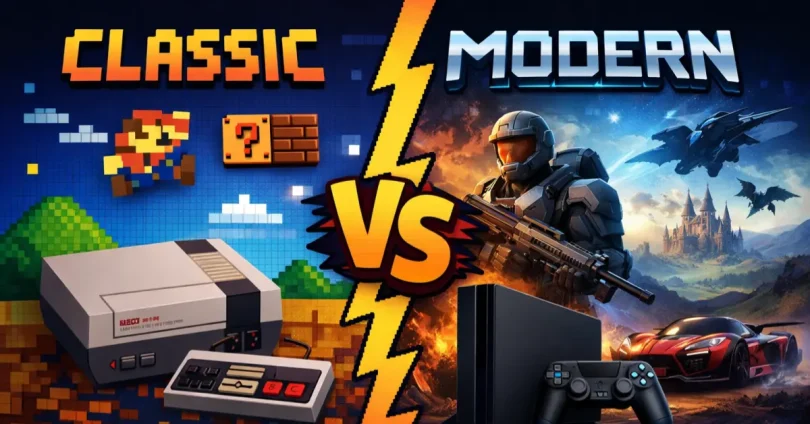
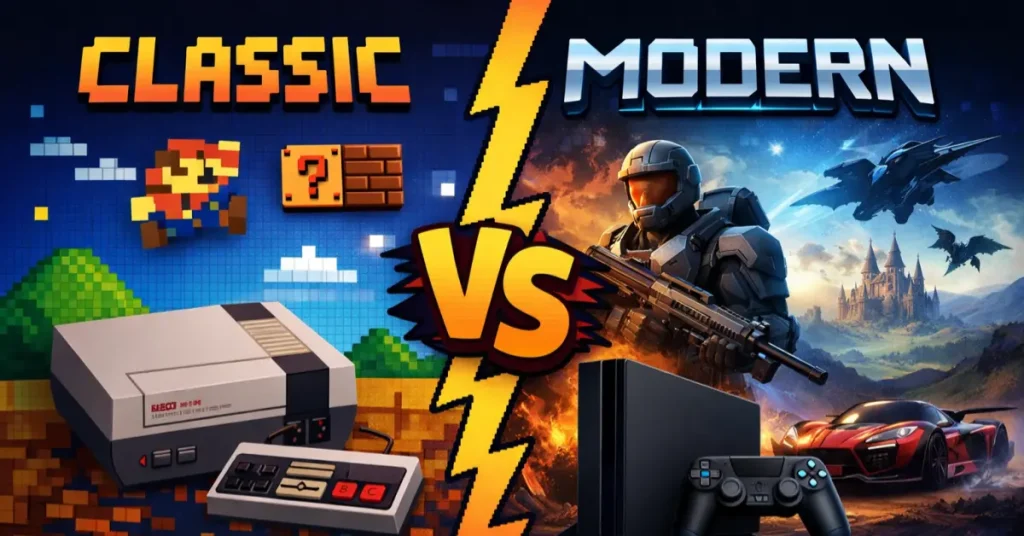
The gaming industry has undergone a massive transformation over the past few decades, evolving from simple pixel-based entertainment into highly advanced digital experiences. In the early days, games were limited to arcade machines and basic consoles with very simple graphics and gameplay. Titles were often focused on scoring points or completing basic levels, yet they still managed to capture the attention of millions of players around the world.
As technology improved, gaming entered a new era with the introduction of home consoles and personal computers. This shift allowed developers to create more detailed storylines, better graphics, and more complex gameplay mechanics. Players were no longer just chasing high scores—they were now exploring virtual worlds, completing missions, and interacting with deep narratives.
The rise of the internet brought another major revolution: online gaming. Suddenly, players could compete or cooperate with others from different parts of the world in real time. Multiplayer gaming became a global phenomenon, leading to the growth of competitive gaming communities and the early foundation of esports.
In recent years, mobile gaming has completely changed the industry once again. With smartphones becoming more powerful and affordable, millions of people can now access games anytime and anywhere. This has made gaming more inclusive and widespread than ever before.
Today, the gaming industry continues to expand rapidly with innovations like cloud gaming, virtual reality (VR), and artificial intelligence (AI). These technologies are making games more immersive, realistic, and interactive, shaping the future of digital entertainment.
Popular Sports Gaming in the World
Sports gam

ing has become one of the most exciting and widely played categories in the gaming industry. It allows players to experience real-world sports in a virtual environment, offering both entertainment and competitive challenges. Among all sports genres, football games dominate the market due to their global popularity and realistic gameplay features.
: La Liga Games in Football Gaming
Football gaming has reached new levels of realism, especially with leagues like La Liga being featured in top football simulation titles. Players can control world-famous clubs such as Real Madrid and FC Barcelona, experiencing authentic stadium atmospheres, realistic player movements, and tactical gameplay.
The inclusion of La Liga games in football titles has made them more engaging for fans who follow Spanish football closely. Players enjoy building their dream teams, competing in league matches, and recreating real-life football scenarios. The excitement of scoring goals, managing formations, and competing in seasonal tournaments adds depth to the overall gaming experience.
Champions League Games Experience
Another major highlight in sports gaming is the inclusion of European competitions such as the UEFA Champions League. This tournament mode allows players to experience high-stakes matches between the best clubs in Europe, making gameplay more intense and competitive.
In Champions League games, players progress through group stages, knockout rounds, and ultimately aim for the final trophy. The pressure, strategy, and excitement closely resemble real-life football tournaments, making it one of the most loved features in sports gaming.
The combination of domestic leagues like La Liga and international competitions like the Champions League has made football gaming more immersive and realistic than ever before.
Classic and Casual Games Still Popular Today
While modern gaming continues to evolve with advanced graphics and complex gameplay, classic and casual games still hold a strong place in the hearts of players. These games are simple, easy to play, and often bring a sense of nostalgia that modern titles sometimes cannot replace. They are also highly accessible, making them popular among all age groups.
Snake Game – A Timeless Classic
One of the most iconic examples of classic gaming is the snake game. Originally popular on early mobile phones, this game featured a simple concept: control a snake that grows longer as it eats food, while avoiding collisions with walls or itself. Despite its basic design, it became one of the most addictive and widely played games in gaming history.
The popularity of the snake game lies in its simplicity. There are no complicated controls or storylines, yet it challenges players to improve their reflexes and achieve higher scores. Even today, modern versions of the snake game are available on smartphones and online platforms, keeping the legacy alive.
Casual games like this continue to attract players who prefer quick entertainment without the need for long sessions or high-end devices. They also serve as a reminder of how gaming started and how far the industry has progressed.
In a world filled with high-definition graphics and competitive esports titles, classic games like Snake prove that sometimes simplicity is the key to long-lasting entertainment.
Mobile Gaming Revolution
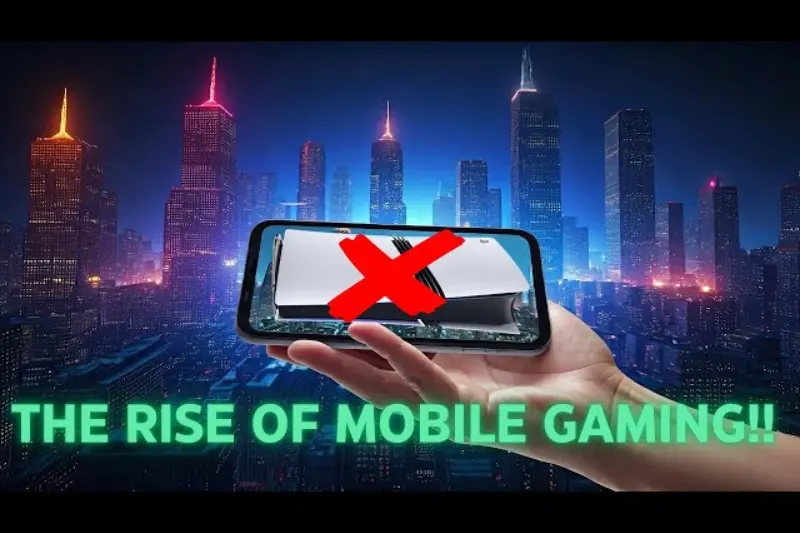
Mobile gaming has completely changed the way people experience video games. With the rise of smartphones, gaming is no longer limited to consoles or high-end PCs. Today, almost anyone with a mobile phone can access thousands of games instantly, making gaming more accessible and widespread than ever before.
One of the biggest reasons behind the success of mobile gaming is convenience. Players can enjoy games anytime and anywhere—whether they are traveling, taking a break, or relaxing at home. This flexibility has attracted millions of casual gamers who prefer quick and easy entertainment over complex setups.
Another major factor is the wide variety of games available on mobile platforms. From action and racing games to puzzles and strategy-based challenges, mobile gaming offers something for everyone. Free-to-play models have also contributed to its growth, allowing users to download and enjoy games without any initial cost.
Mobile gaming has also improved significantly in terms of graphics and performance. Modern smartphones now support high-quality visuals and smooth gameplay that were once only possible on PCs or consoles. This advancement has blurred the line between mobile and traditional gaming experiences.
In addition, mobile gaming has become a major part of the esports industry. Competitive mobile games now host international tournaments with huge prize pools, attracting professional players and large audiences worldwide.
Overall, the mobile gaming revolution has made gaming more inclusive, flexible, and globally connected, playing a key role in the rapid growth of the gaming industry.
PC and Console Gaming Trends
PC and console gaming continues to be one of the most powerful segments of the gaming industry, offering high-quality experiences that focus on performance, graphics, and deep gameplay. Unlike mobile gaming, PC and console platforms are designed for players who want more immersive and advanced gaming environments.
One of the biggest strengths of PC gaming is customization. Players can build or upgrade their systems according to their needs, improving graphics, speed, and overall performance. This makes PC gaming ideal for competitive players and those who enjoy high-end visuals and smooth gameplay. Many popular titles are first optimized for PC due to its strong hardware capabilities.
Console gaming, on the other hand, offers a more simple and user-friendly experience. Devices like PlayStation and Xbox provide plug-and-play functionality, allowing users to enjoy games without needing technical setup. Exclusive titles, storytelling games, and multiplayer experiences make consoles a favorite choice for many gamers around the world.
In recent years, both PC and console gaming have become more connected through online multiplayer platforms. Players can now compete with others globally, join teams, and participate in ranked matches. This has helped build strong gaming communities and increased the popularity of esports.
Another growing trend is cross-platform gaming, where users on PC, console, and even mobile can play together in the same game environment. This feature has made gaming more inclusive and socially connected.
With continuous improvements in graphics, processing power, and online services, PC and console gaming continue to shape the future of the gaming industry, offering some of the most advanced and engaging experiences available today.
Esports and Competitive Gaming
Esports has transformed gaming from a casual hobby into a professional global industry. It involves organized video game competitions where players and teams compete at the highest level for prizes, recognition, and sponsorships. Over the past decade, esports has grown rapidly, attracting millions of viewers and turning skilled gamers into international celebrities.
One of the main reasons behind the rise of esports is the popularity of online multiplayer games. These games allow players to compete in real time, develop strategies, and improve their skills through constant practice. Competitive rankings, tournaments, and seasonal events keep players engaged and motivated to perform better.
Streaming platforms have also played a major role in the growth of esports. Gamers can now broadcast their gameplay live, build audiences, and earn income through sponsorships and fan support. This has turned gaming into a viable career option for many talented individuals around the world.
Esports tournaments are now held globally, featuring huge prize pools and professional
Beyond competition, esports has created a strong community culture where players, fans, and creators interact and share experiences. It has also opened doors to careers in coaching, commentary, game development, and event management.
Overall, esports represents the future of competitive entertainment, combining technology, skill, and global connectivity into one rapidly growing industry.
Future of Gaming
The future of gaming is expected to be more advanced, immersive, and interactive than ever before. With rapid improvements in technology, the gaming industry is moving beyond traditional screens into fully immersive digital experiences that blend reality and virtual worlds.
One of the biggest innovations shaping the future is virtual reality (VR) and augmented reality (AR). These technologies allow players to physically interact with games, making the experience more realistic and engaging. Instead of simply pressing buttons, players can now feel as if they are inside the game environment itself.
Another major development is cloud gaming. This technology allows users to play high-end games without needing expensive hardware. Games are streamed directly from powerful servers, making it possible to enjoy advanced gaming on basic devices like smartphones or low-end PCs. This will make gaming more accessible to a much larger audience worldwide.
Artificial intelligence (AI) is also playing a key role in the evolution of gaming. AI is being used to create smarter opponents, dynamic storylines, and more realistic in-game behavior. This makes gameplay more challenging and personalized for each player.
In the coming years, gaming is also expected to become more socially connected. Cross-platform play, virtual communities, and interactive online worlds will allow players to connect and collaborate like never before.
Overall, the future of gaming promises endless possibilities, where technology and creativity come together to deliver unforgettable experiences for players around the globe.
Benefits of Gaming
Gaming is often seen as entertainment, but it also offers several important benefits when played in a balanced and responsible way. Modern games are designed not only to entertain but also to improve thinking skills, coordination, and social interaction among players.
One of the key benefits of gaming is improved cognitive ability. Many games require quick decision-making, problem-solving, and strategic thinking. This helps players sharpen their minds and react faster in different situations. Puzzle games, strategy games, and competitive matches are especially effective in developing these skills.
Gaming also improves hand-eye coordination. Action games and sports simulations require precise timing and control, which helps enhance reflexes and motor skills. Over time, players become more accurate and efficient in their responses.
Another important benefit is social connection. Online multiplayer games allow players to interact with others from around the world. This helps build teamwork, communication skills, and friendships across different cultures. Gaming communities often create strong social bonds among players.
In addition, gaming can be a great source of stress relief. After a long day, playing games helps people relax, reduce anxiety, and enjoy their free time. It provides a healthy escape from daily routine when done in moderation.
Some games also introduce players to real-world concepts such as sports strategy, history, economics, and creativity. For example, sports games like football simulations help players understand tactics used in real matches.
Overall, gaming offers a mix of entertainment and personal development, making it a valuable activity when balanced with other aspects of life.
Conclusion
Gaming has grown into one of the most influential industries in the modern world, shaping entertainment, technology, and social interaction. From simple beginnings with classic titles like the snake game to highly advanced sports simulations featuring La Liga games and Champions League games, the evolution of gaming shows how far technology has come.
Today, gaming is not limited to fun alone—it has become a global culture that connects millions of players across different countries. Mobile gaming has made it accessible to almost everyone, while PC and console platforms continue to deliver high-performance and immersive experiences. At the same time, esports has turned competitive gaming into a professional career path with worldwide recognition.
Looking ahead, innovations such as virtual reality, cloud gaming, and artificial intelligence will continue to reshape the industry. These advancements will make games more realistic, interactive, and inclusive for players of all ages.
In conclusion, gaming is no longer just a form of entertainment—it is a powerful digital ecosystem that combines creativity, competition, and community. Its future is bright, and it will continue to grow as one of the most important parts of global digital culture.
faqs
What is gaming?
Gaming refers to playing electronic or video games on devices such as smartphones, computers, consoles, or tablets for entertainment, competition, or skill development.
Why is gaming so popular worldwide?
Gaming is popular because it offers entertainment, social interaction, competition, and immersive experiences for people of all ages.
What are La Liga games in gaming?
La Liga games are football gaming experiences that feature teams and players from Spain’s top football league, allowing players to participate in realistic league matches and tournaments.
What are Champions League games?
Champions League games are football game modes inspired by Europe’s premier club competition, where players compete through group stages and knockout rounds to win the championship.
What is the snake game?
The snake game is a classic arcade-style game where players control a growing snake, collecting food while avoiding collisions with walls or its own body.
What is the difference between mobile gaming and PC gaming?
Mobile gaming is played on smartphones and tablets, offering convenience and accessibility, while PC gaming provides higher performance, better graphics, and more customization options.
What is esports?
Esports is organized competitive gaming where professional players and teams compete in tournaments for prizes, sponsorships, and global recognition.
Can gaming improve skills?
Yes, gaming can improve problem-solving abilities, hand-eye coordination, strategic thinking, teamwork, and decision-making skills when played responsibly.
What technologies are shaping the future of gaming?
Virtual reality (VR), augmented reality (AR), cloud gaming, artificial intelligence (AI), and cross-platform gaming are among the technologies shaping the future of the gaming industry.
Is gaming a good career option?
Gaming can be a career through esports, game development, content creation, streaming, coaching, game testing, and various other opportunities within the gaming industry.