
Introduction
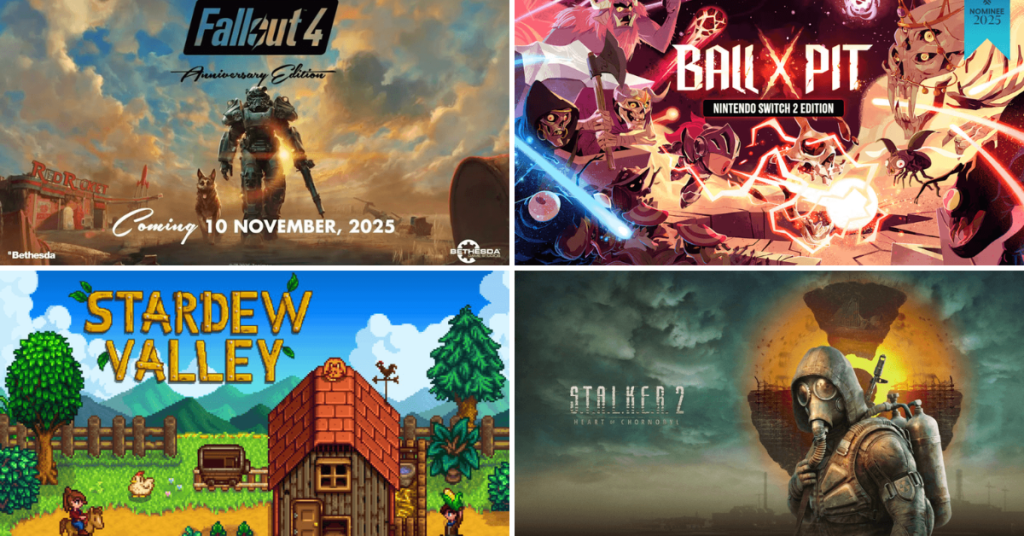
Gaming has become one of the most influential forms of entertainment in the modern world. What started as simple arcade experiences and basic computer games has evolved into a global industry worth billions of dollars. Today, gaming connects people across continents, offers immersive storytelling experiences, and provides opportunities for competition, learning, and social interaction. Whether played on a smartphone, console, PC, or cloud-based platform, games have become an integral part of everyday life for millions of people.
The gaming industry continues to expand rapidly, driven by technological advancements and the growing popularity of online multiplayer experiences. From classic titles like the Snake Game that entertained early mobile phone users to modern sports simulations featuring La Liga games and Champions League games, players now have access to a diverse range of gaming experiences. These games cater to different interests, skill levels, and age groups, making gaming one of the most inclusive entertainment mediums available today.
Beyond entertainment, gaming has also created new career opportunities through esports, content creation, game development, and streaming. Professional gamers compete in international tournaments with substantial prize pools, while gaming influencers attract millions of followers across various platforms. As technology continues to evolve, innovations such as virtual reality, augmented reality, and artificial intelligence are reshaping how games are developed and experienced.
However, with the rise of gaming comes the importance of responsible play and understanding different game categories. Players and parents should be aware of age ratings, online safety measures, and healthy gaming habits to ensure a positive experience. Whether you are a casual player, a competitive gamer, or someone interested in learning more about the industry, understanding gaming’s impact and future potential is essential in today’s digital age.
In this guide, we will explore the history of gaming, popular game genres, gaming platforms, esports, benefits, challenges, and emerging trends that are shaping the future of interactive entertainment.
What Is Gaming?
Gaming refers to the activity of playing electronic games on various devices, including computers, consoles, smartphones, tablets, and cloud-based platforms. Over the years, gaming has evolved from a niche hobby into a mainstream form of entertainment enjoyed by people of all ages. Today, millions of players engage in gaming daily, whether for relaxation, competition, education, or social interaction.
Definition of Gaming
At its core, gaming involves interacting with digital environments through rules, objectives, and challenges. Players use controllers, keyboards, touchscreens, or specialized equipment to navigate game worlds and complete tasks. Modern games range from simple puzzle experiences to highly complex open-world adventures that offer hundreds of hours of gameplay.
Gaming is no longer limited to single-player experiences. Online multiplayer games allow players to connect with friends and competitors worldwide, creating communities that extend beyond the game itself. This social aspect has played a significant role in gaming’s global popularity.
History and Evolution of Gaming
The gaming industry has undergone remarkable transformations since its early days. The first commercial video games appeared in arcades during the 1970s, introducing players to simple but engaging gameplay mechanics. As technology improved, home consoles and personal computers made gaming more accessible to the general public.
The 1990s and early 2000s saw significant advancements in graphics, storytelling, and online connectivity. During this period, iconic games and franchises emerged, helping establish gaming as a major entertainment industry. Mobile gaming later expanded the audience even further, bringing games to billions of smartphone users worldwide.
One memorable example of mobile gaming history is the Snake Game, which became a cultural phenomenon due to its simplicity and addictive gameplay. Despite technological advancements, classic games like Snake continue to be remembered as important milestones in gaming history.
How Gaming Has Changed Entertainment
Gaming has transformed the entertainment landscape by offering interactive experiences that movies, television, and books cannot provide. Players actively participate in stories, make decisions, and influence outcomes, creating a deeper level of engagement.
Sports gaming has also become increasingly popular, with football fans enjoying titles that feature La Liga games and Champions League games. These realistic simulations allow players to manage teams, compete in tournaments, and experience the excitement of professional football from their own homes.
Today, gaming is more than just a pastime. It is a cultural force that influences technology, media, education, and social interaction. As innovation continues, gaming is expected to play an even greater role in shaping the future of digital entertainment.
Different Types of Games
One of the biggest reasons for gaming’s global popularity is the incredible variety of games available. Whether players enjoy fast-paced action, strategic thinking, sports competition, or casual entertainment, there is a game designed to match their interests. Understanding the different game genres can help players discover new experiences and choose titles that suit their preferences.
Action Games
Action games are among the most popular gaming genres. These games focus on fast reflexes, combat, movement, and quick decision-making. Players often face challenges that require skill, timing, and coordination. Action games may include shooting, fighting, platforming, or survival elements that keep players engaged throughout the experience.
Adventure Games
Adventure games emphasize storytelling, exploration, and puzzle-solving. Players often take on the role of a character who must complete quests, uncover secrets, and progress through a detailed narrative. These games are ideal for those who enjoy immersive worlds and engaging storylines.
Sports Games
Sports games allow players to experience their favorite athletic competitions in a virtual environment. These games replicate real-world sports with realistic teams, players, and tournaments.
La Liga Games and Football Simulations
Football fans can enjoy numerous titles that feature La Liga games, allowing them to compete with some of the most famous clubs and players in the world. These games often include realistic stadiums, team management features, and authentic league competitions that mirror real-life football seasons.
Champions League Games and Competitive Football Titles
Many modern football games also include Champions League games, giving players the opportunity to compete in one of the most prestigious club tournaments in the sport. These modes add excitement by recreating the atmosphere, challenges, and intensity of international football competition.
Racing Games
Racing games focus on speed, vehicle control, and competition. Players can race cars, motorcycles, boats, or even futuristic vehicles across various tracks and environments. Some racing games prioritize realism, while others focus on arcade-style fun and accessibility.
Strategy Games
Strategy games challenge players to think critically and plan ahead. Success often depends on resource management, tactical decisions, and long-term planning. These games can range from historical warfare simulations to city-building and economic management experiences.
Puzzle Games
Puzzle games are designed to test logic, problem-solving skills, and creativity. They are often easy to learn but difficult to master, making them appealing to players of all ages.
The Popularity of Snake Game
The Snake Game remains one of the most recognizable puzzle and arcade-style games ever created. Its simple objective—guiding a growing snake while avoiding collisions—made it accessible and addictive for millions of players. The game’s success demonstrated that engaging gameplay does not always require complex graphics or advanced technology.
Role-Playing Games (RPGs)
Role-playing games place players in the shoes of fictional characters who embark on adventures, complete quests, and develop skills over time. RPGs often feature expansive worlds, character customization, and deep narratives that provide long-lasting entertainment.
With so many genres available, gaming offers something for everyone. This diversity continues to attract new players and ensures that the industry remains one of the most dynamic forms of entertainment in the world.
Why Gaming Is So Popular
Gaming has grown from a niche hobby into a global phenomenon enjoyed by billions of people. The industry’s rapid expansion is driven by technological innovation, accessibility, and the ability to provide unique experiences that appeal to diverse audiences. Whether someone plays casually on a smartphone or competes professionally in esports tournaments, gaming offers countless reasons to stay engaged.
Entertainment Value
One of the primary reasons gaming is so popular is its entertainment value. Unlike passive forms of entertainment such as television or movies, gaming allows players to actively participate in the experience. Every decision, action, and achievement contributes to a sense of involvement that keeps players engaged for extended periods.
Modern games offer stunning graphics, immersive sound design, compelling storylines, and interactive gameplay that create memorable experiences. From action-packed adventures to relaxing puzzle games, there is something available for every type of player.
Social Interaction and Multiplayer Experiences
Gaming has become an important social activity. Online multiplayer games allow players to connect with friends, family members, and other gamers from around the world. Through voice chat, messaging systems, and cooperative gameplay, people can build friendships and communities regardless of geographical location.
Many games encourage teamwork, communication, and collaboration, making them valuable tools for social engagement. Gaming communities often extend beyond the games themselves through forums, social media platforms, and live-streaming services.
Competitive Gaming and Esports
The rise of esports has significantly contributed to gaming’s popularity. Professional players compete in tournaments watched by millions of fans worldwide. Competitive gaming has transformed video games into spectator events, attracting sponsorships, media coverage, and substantial prize pools.
Popular esports titles have created opportunities for skilled players to pursue professional careers. In addition to competing, many gamers earn income through streaming, content creation, coaching, and tournament organization.
Skill Development Through Gaming
Gaming is not just about entertainment; it can also help develop valuable skills. Many games require critical thinking, strategic planning, problem-solving, and quick decision-making. Multiplayer games often improve communication and teamwork, while puzzle games can enhance logical reasoning.
Sports simulations featuring La Liga games and Champions League games also encourage players to learn tactical strategies, team management, and decision-making under pressure. Similarly, classic games like Snake Game help improve concentration, reaction speed, and hand-eye coordination.
Accessibility and Technological Advancements
Another reason for gaming’s widespread appeal is accessibility. Players can enjoy games on various devices, including smartphones, consoles, personal computers, and cloud gaming platforms. This flexibility allows people to play whenever and wherever they choose.
Technological advancements have also improved graphics, artificial intelligence, online connectivity, and virtual reality experiences. These innovations continue to make gaming more immersive and appealing to both new and experienced players.
A Constantly Evolving Industry
The gaming industry continuously introduces new ideas, technologies, and experiences. Developers regularly release updates, expansions, and entirely new games that keep players interested. This constant evolution ensures that gaming remains fresh, exciting, and relevant in an increasingly digital world.
As gaming continues to grow, its influence on entertainment, technology, and social interaction is expected to become even more significant, solidifying its position as one of the most popular activities worldwide.
Gaming Platforms Explained
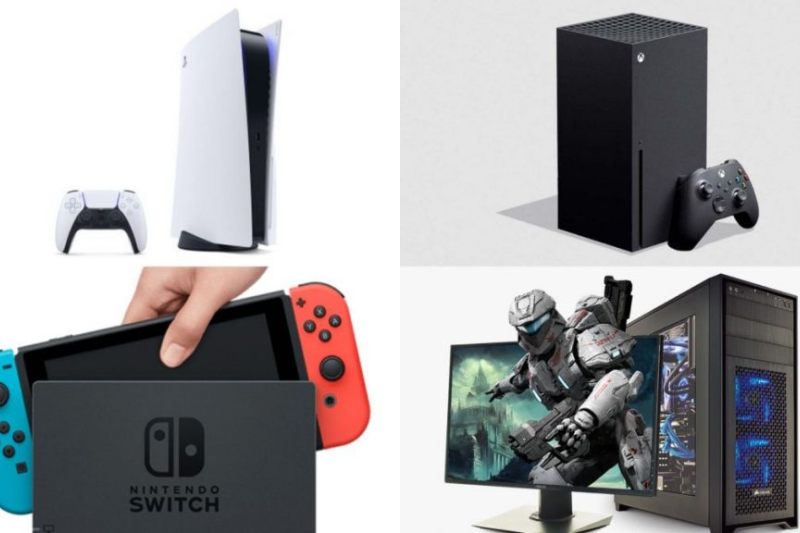
The gaming industry offers a variety of platforms that cater to different player preferences, budgets, and gaming styles. Each platform has its own advantages, features, and game libraries, allowing gamers to choose the experience that best suits their needs. Understanding these platforms can help both beginners and experienced players make informed decisions when entering the world of gaming.
PC Gaming
PC gaming is one of the most versatile forms of gaming available today. Players can customize their hardware, upgrade components, and access a vast library of games across multiple genres. High-performance gaming computers provide superior graphics, faster frame rates, and enhanced gameplay experiences.
One of the major benefits of PC gaming is flexibility. Players can use keyboards, mice, controllers, and specialized accessories to suit their preferred gaming style. PC gaming also supports competitive esports titles, strategy games, role-playing games, and sports simulations featuring La Liga games and Champions League games.
Additionally, digital distribution platforms make it easy to purchase, download, and update games without leaving home.
Console Gaming
Console gaming remains one of the most popular choices for players worldwide. Gaming consoles are specifically designed for entertainment and provide a user-friendly experience that requires minimal setup.
Modern consoles offer high-quality graphics, exclusive game titles, online multiplayer services, and multimedia features. Many players prefer consoles because they provide consistent performance without requiring frequent hardware upgrades.
Console gaming is especially popular among families and casual gamers who want an easy and convenient way to enjoy their favorite games.
Mobile Gaming
Mobile gaming has revolutionized the industry by making games accessible to billions of smartphone users. With a mobile device, players can enjoy games anytime and anywhere, making gaming more convenient than ever before.
Mobile gaming includes a wide range of genres, from puzzle and strategy games to action and sports titles. One of the most iconic examples of mobile gaming is the Snake Game, which introduced millions of people to gaming through early mobile phones.
Today’s smartphones support advanced graphics and online multiplayer features, allowing mobile games to compete with traditional gaming platforms in terms of quality and popularity.
Cloud Gaming
Cloud gaming is one of the newest innovations in the gaming industry. Instead of running games directly on a device, cloud gaming streams gameplay from powerful remote servers. This technology allows players to enjoy high-quality games without investing in expensive hardware.
With a stable internet connection, users can access games on smartphones, tablets, laptops, and smart televisions. Cloud gaming reduces hardware limitations and makes premium gaming experiences more accessible to a wider audience.
As internet infrastructure continues to improve, cloud gaming is expected to become a major part of the industry’s future.
Choosing the Right Gaming Platform
Selecting the right gaming platform depends on personal preferences, budget, and gaming goals. PC gaming offers customization and performance, consoles provide convenience and exclusives, mobile gaming delivers portability, and cloud gaming emphasizes accessibility.
Regardless of the platform chosen, the ultimate goal remains the same: providing enjoyable and engaging gaming experiences. As technology continues to evolve, players can expect even more innovative ways to access and enjoy games across multiple devices.
The Rise of Esports
Esports has transformed gaming from a recreational activity into a global competitive industry. What began as small local tournaments has evolved into massive international events that attract millions of viewers and offer prize pools worth millions of dollars. Today, esports is recognized as one of the fastest-growing sectors within the gaming industry, creating opportunities for players, teams, sponsors, broadcasters, and content creators.
What Is Esports?
Esports, short for electronic sports, refers to organized competitive gaming where professional players and teams compete against one another in various video games. These competitions can take place online or in large arenas filled with spectators.
Unlike casual gaming, esports requires extensive practice, strategic planning, teamwork, and exceptional skill. Professional players often train for several hours each day to improve their performance and remain competitive at the highest levels.
Popular Esports Titles
A variety of games have become major esports titles due to their competitive gameplay and large player communities. These games span multiple genres, including first-person shooters, strategy games, sports simulations, fighting games, and multiplayer online battle arenas.
Competitive gaming appeals to different audiences because each title offers unique mechanics, strategies, and viewing experiences. This diversity helps esports attract fans from around the world.
Professional Gaming Careers
Esports has created numerous career opportunities beyond professional gameplay. While top players earn income through tournament winnings and sponsorships, the industry also supports coaches, analysts, commentators, event organizers, marketers, broadcasters, and content creators.
Many gamers build successful careers through live streaming and video creation, sharing gameplay experiences, tutorials, and entertainment with audiences worldwide. As esports continues to expand, the demand for skilled professionals within the industry is expected to increase.
Global Gaming Tournaments
Esports tournaments are now among the largest entertainment events in the world. Major competitions attract millions of online viewers and fill large stadiums with passionate fans. These events showcase the highest level of gaming talent while providing exciting entertainment for spectators.
Sports simulation games featuring La Liga games and Champions League games have also contributed to the growth of competitive gaming. Virtual football competitions allow players to represent clubs, countries, and organizations in highly competitive environments that mirror real-world sports.
The Impact of Streaming Platforms
The growth of esports would not have been possible without streaming technology. Live-streaming platforms enable fans to watch tournaments, interact with players, and follow their favorite teams in real time.
Streaming has made esports more accessible than ever before, allowing viewers from different countries to enjoy competitions without attending events in person. This accessibility has helped esports build a truly global audience.
The Future of Esports
The future of esports looks extremely promising. Continued investments from technology companies, sponsors, educational institutions, and traditional sports organizations are helping the industry grow at a rapid pace.
Advancements in virtual reality, artificial intelligence, and cloud gaming may further enhance competitive gaming experiences. As audiences continue to expand and new opportunities emerge, esports is expected to remain a major force within the gaming industry for years to come.
From local competitions to international championships, esports demonstrates how gaming has evolved into a legitimate profession, a thriving entertainment sector, and a global cultural phenomenon.
Online Gaming Safety and Responsible Play
As gaming becomes more connected and accessible, online safety and responsible gaming practices have become increasingly important. Millions of players interact with others through multiplayer games, voice chats, and online communities every day. While gaming offers entertainment, learning opportunities, and social interaction, players should also be aware of potential risks and take steps to ensure a safe and positive experience.
Understanding Different Gaming Categories
The gaming industry offers a wide variety of content designed for different age groups and interests. Some games focus on sports, adventure, strategy, or puzzles, while others may contain mature themes intended for adult audiences.
Before playing any game, users should review its content description and age rating. Understanding game categories helps players choose experiences that align with their interests and are appropriate for their age group.
Age Ratings and Content Warnings
Most video games include age ratings that provide guidance about suitable audiences. These ratings help parents and players understand whether a game contains violence, strong language, mature themes, or other content that may not be appropriate for younger audiences.
Parents should regularly review the games their children play and use parental controls when necessary. These tools can help manage playtime, restrict purchases, and limit access to inappropriate content.
Safe Gaming Practices for Children and Adults
Maintaining online safety should be a priority for all gamers. Players should avoid sharing personal information such as addresses, phone numbers, passwords, or financial details with strangers online.
Some important online safety practices include:
- Using strong and unique passwords.
- Enabling two-factor authentication when available.
- Avoiding suspicious links and downloads.
- Reporting abusive or harmful behavior.
- Keeping gaming devices and software updated.
By following these precautions, players can reduce security risks and protect their personal information.
Managing Screen Time
While gaming can be enjoyable and beneficial, moderation is essential. Spending excessive time gaming may affect sleep schedules, physical activity, academic performance, or work responsibilities.
Players should establish healthy gaming habits by:
- Taking regular breaks.
- Maintaining a balanced lifestyle.
- Prioritizing school, work, and family commitments.
- Getting sufficient sleep.
- Participating in physical activities.
Creating a balanced routine allows individuals to enjoy gaming without negatively affecting other aspects of their lives.
Building Positive Gaming Communities
Gaming communities can be excellent places to make friends, learn new skills, and share experiences. Respectful communication and good sportsmanship help create a welcoming environment for everyone.
Players should treat others with respect, avoid toxic behavior, and contribute positively to online discussions. Encouraging teamwork and inclusivity helps strengthen gaming communities and improves the overall experience for all participants.
Responsible Gaming for the Future
As technology continues to advance, gaming will become even more immersive and interactive. Responsible gaming habits will remain essential for ensuring that players can enjoy the benefits of gaming while minimizing potential risks.
By understanding game content, following online safety guidelines, managing screen time, and practicing respectful behavior, gamers can create a safe and enjoyable experience for themselves and others. Responsible play ensures that gaming remains a positive form of entertainment for people of all ages.
Benefits of Gaming
Gaming is often viewed primarily as a source of entertainment, but it also offers numerous cognitive, social, and emotional benefits. When enjoyed in moderation, video games can help players develop valuable skills, improve mental abilities, and foster meaningful social connections. As gaming continues to evolve, researchers and educators are increasingly recognizing its positive impact on learning and personal development.
Improved Problem-Solving Skills
Many games require players to think critically, analyze situations, and make decisions under pressure. Strategy games, puzzle games, and adventure titles often present challenges that require creative solutions and logical thinking.
Players learn to evaluate different options, anticipate outcomes, and adapt to changing circumstances. These problem-solving skills can be useful in everyday life, education, and professional environments.
Better Hand-Eye Coordination
Gaming frequently involves precise movements and quick reactions. Action games, sports simulations, and racing titles require players to coordinate visual information with physical actions, improving hand-eye coordination over time.
Even simple games such as the Snake Game help players develop reaction speed, concentration, and motor control. These skills can contribute to improved performance in various real-world activities.
Enhanced Strategic Thinking
Many games encourage long-term planning and tactical decision-making. Players often need to manage resources, coordinate teammates, and develop strategies to achieve specific objectives.
Sports games featuring La Liga games and Champions League games provide excellent examples of strategic gameplay. Players must make decisions regarding formations, player management, and match tactics, which can strengthen analytical thinking and decision-making abilities.
Teamwork and Communication
Online multiplayer games promote collaboration and communication among players. Team-based games often require participants to work together, share information, and coordinate actions to achieve common goals.
These experiences can help improve leadership skills, teamwork, conflict resolution, and effective communication. Such abilities are valuable in both personal and professional settings.
Stress Relief and Relaxation
For many people, gaming serves as a way to relax and unwind after a busy day. Engaging gameplay can provide an enjoyable escape from daily stress and allow players to focus on entertaining challenges.
Casual games, simulation games, and puzzle games are particularly effective at promoting relaxation while still offering mental stimulation. When balanced with other activities, gaming can contribute positively to emotional well-being.
Learning and Educational Opportunities
Educational games and interactive simulations can make learning more engaging and effective. Many games teach subjects such as mathematics, science, history, language skills, and problem-solving through interactive experiences.
Additionally, gaming can encourage curiosity, creativity, and independent learning. Players often research strategies, learn new technologies, and explore topics that extend beyond the game itself.
Building Social Connections
Modern gaming allows people to connect with others regardless of location. Friends and family members can play together online, while gaming communities provide opportunities to meet individuals who share similar interests.
These social interactions can foster friendships, strengthen relationships, and create a sense of belonging within gaming communities.
Encouraging Persistence and Resilience
Many games challenge players to overcome obstacles and learn from mistakes. Success often requires practice, patience, and determination. By repeatedly facing challenges and improving through experience, players develop resilience and perseverance.
This mindset can help individuals approach real-life challenges with greater confidence and a willingness to continue learning and improving.
A Positive Tool When Used Responsibly
While gaming should always be balanced with other responsibilities and activities, its benefits are undeniable when enjoyed responsibly. From improving cognitive skills and teamwork to providing entertainment and social interaction, gaming offers much more than simple recreation.
As technology advances and game design continues to evolve, gaming will likely play an even greater role in education, communication, and personal development in the years ahead.
Challenges and Concerns in Gaming
While gaming offers many benefits and opportunities, it also comes with certain challenges that players, parents, and the industry must address. As gaming continues to grow in popularity and accessibility, understanding its potential downsides is important for maintaining a healthy and balanced experience.
Gaming Addiction
One of the most discussed concerns in modern gaming is excessive play or gaming addiction. Some players may spend too much time gaming, which can interfere with daily responsibilities such as studies, work, sleep, and physical activity.
In severe cases, excessive gaming can lead to reduced productivity and social isolation. However, it is important to note that not all players experience addiction. With proper time management and self-discipline, gaming can remain a healthy form of entertainment.
Cyberbullying in Online Games
Online multiplayer games allow players to communicate and interact with others around the world. While this creates opportunities for teamwork and friendship, it can also expose players to toxic behavior, harassment, or cyberbullying.
Negative interactions in gaming environments can affect mental well-being and reduce the enjoyment of games. Many platforms now include reporting systems, moderation tools, and blocking features to help protect players from abusive behavior.
Privacy and Security Risks
As gaming becomes more connected, privacy and security concerns have increased. Players often create online accounts, share personal data, and make in-game purchases, which can make them targets for scams or hacking attempts.
To stay safe, gamers should use strong passwords, enable two-factor authentication, and avoid sharing sensitive information with strangers. Being cautious online helps reduce the risk of identity theft and account compromise.
In-Game Purchases and Spending
Many modern games include in-game purchases such as skins, upgrades, and virtual items. While these features enhance customization and gameplay experience, they can also lead to overspending if not managed carefully.
Players, especially younger audiences, may be tempted to spend real money on digital items. Setting spending limits and using parental controls can help maintain financial responsibility in gaming.
Exposure to Inappropriate Content
Although most games are designed with age ratings and content guidelines, some online platforms may still expose players to inappropriate material or behavior. This is why understanding game categories and using safety settings is essential.
Parents should regularly monitor the games their children play and ensure they are suitable for their age group. Choosing appropriate content helps create a safer gaming environment.
Balancing Gaming and Daily Life
One of the biggest challenges for gamers is maintaining balance between gaming and other responsibilities. Excessive gaming can negatively impact education, work performance, physical health, and social relationships.
Establishing a healthy routine that includes breaks, physical activity, and offline interactions is essential for long-term well-being. Time management tools and self-discipline can help players enjoy gaming without negative consequences.
Addressing the Challenges Responsibly
Despite these challenges, gaming remains a valuable and enjoyable activity when approached responsibly. Awareness, education, and proper guidance can significantly reduce risks while preserving the positive aspects of gaming.
By understanding potential issues and practicing safe habits, players can enjoy a healthier and more balanced gaming experience in an increasingly digital world.
Future Trends in Gaming
The gaming industry is evolving faster than ever, driven by rapid advancements in technology, increasing internet accessibility, and growing global interest. As developers continue to innovate, the future of gaming is expected to become more immersive, interactive, and widely accessible than ever before.
Virtual Reality (VR)
Virtual Reality is transforming how players experience games by placing them directly inside digital environments. Using VR headsets and motion controllers, players can interact with game worlds in a highly immersive way that feels realistic and engaging.
VR gaming is expected to expand further as hardware becomes more affordable and comfortable. Future VR experiences may include fully interactive environments, realistic simulations, and enhanced multiplayer interactions.
Augmented Reality (AR)
Augmented Reality blends digital elements with the real world, allowing players to interact with virtual objects in real-life environments. Mobile AR games have already gained popularity, and future developments are expected to make these experiences even more advanced.
AR gaming can be used not only for entertainment but also for education, training, and interactive storytelling. As technology improves, AR will likely become a major part of everyday gaming experiences.
Artificial Intelligence in Games
Artificial Intelligence (AI) is playing an increasingly important role in game development. AI enhances non-player character (NPC) behavior, making game environments more realistic and dynamic.
Future games may use AI to create adaptive storylines, personalized challenges, and smarter opponents that respond to player behavior. This will make gaming experiences more unique and engaging for each individual player.
The Growth of Cloud Gaming
Cloud gaming is changing the way people access and play games. Instead of relying on expensive hardware, players can stream games directly from remote servers using an internet connection.
This technology makes high-quality gaming more accessible to a wider audience, allowing users to play on smartphones, tablets, laptops, and smart TVs. As internet infrastructure improves globally, cloud gaming is expected to become a dominant force in the industry.
Expansion of Esports
Esports will continue to grow as a global entertainment industry. With increasing sponsorships, media coverage, and fan engagement, competitive gaming is becoming as popular as traditional sports in many regions.
Games featuring competitive environments, including sports simulations with La Liga games and Champions League games, will continue to attract large audiences and professional players. Esports arenas, tournaments, and streaming platforms will expand further in scale and influence.
Cross-Platform Gaming
Cross-platform gaming allows players on different devices—such as PC, console, and mobile—to play together. This feature is becoming more common and is expected to become standard in future games.
It improves accessibility and brings gaming communities closer together, breaking down barriers between platforms and expanding multiplayer experiences.
Blockchain and Digital Ownership
Blockchain technology is beginning to influence gaming through digital ownership systems. Players may have greater control over in-game items, allowing them to trade or sell digital assets securely.
Although still developing, this trend could reshape how virtual economies function in games, giving players more value and ownership over their digital experiences.
The Future of Mobile Gaming
Mobile gaming will continue to grow rapidly due to smartphone accessibility and improving hardware performance. More complex and high-quality games are being developed for mobile devices, narrowing the gap between mobile and console gaming.
Classic titles like the Snake Game demonstrate how far mobile gaming has come, from simple mechanics to fully immersive experiences available at our fingertips.
A Constantly Evolving Industry
The future of gaming is defined by innovation, creativity, and global connectivity. As technology continues to advance, gaming will become more immersive, social, and integrated into everyday life.
From VR and AI to cloud-based platforms and esports expansion, the gaming industry is set to remain one of the most dynamic and influential sectors in the world.
Best Gaming Tips for Beginners
Starting your gaming journey can feel overwhelming because of the wide variety of genres, platforms, and skill levels involved. However, with the right approach and mindset, beginners can quickly improve and enjoy a smooth, rewarding gaming experience. These tips will help new players build confidence and develop strong gaming habits.
Choosing the Right Platform
The first step for any beginner is selecting the right gaming platform. Options include PC, console, mobile, and cloud gaming. Each platform offers different advantages depending on budget, convenience, and performance expectations.
For example, mobile gaming is ideal for casual players who want quick access to games like puzzle titles or simple classics such as the Snake Game. On the other hand, PC and console gaming provide more advanced graphics and competitive experiences, including sports titles featuring La Liga games and Champions League games.
Finding Games That Match Your Interests
Not every game is suitable for every player. Beginners should explore different genres such as action, adventure, sports, puzzle, and strategy games to find what they enjoy most.
Trying a variety of games helps players understand their preferences and develop skills gradually. Starting with simple games before moving to more complex titles can make the learning process easier and more enjoyable.
Improving Your Skills Gradually
Gaming skills develop over time with practice and patience. Beginners should focus on learning basic controls, understanding game mechanics, and improving reaction time.
Watching tutorials, reading guides, and observing experienced players can also help improve performance. Many games include training modes that allow players to practice without pressure, which is especially useful for beginners.
Building a Healthy Gaming Routine
Maintaining balance is essential for a positive gaming experience. Beginners should set limits on playtime to avoid fatigue and ensure gaming does not interfere with daily responsibilities.
Taking regular breaks, staying hydrated, and maintaining good posture can also improve overall comfort and performance during long gaming sessions. A healthy routine helps players enjoy gaming without negative effects on their physical or mental well-being.
Learning Online Safety Basics
Since many modern games include online features, beginners should understand basic safety rules. This includes avoiding sharing personal information, using secure passwords, and being cautious when interacting with strangers online.
Most platforms offer parental controls and privacy settings that can help protect younger players and ensure a safe gaming environment.
Practicing Good Sportsmanship
Gaming is more enjoyable when players treat others with respect. Beginners should focus on positive communication, teamwork, and fair play, especially in multiplayer games.
Good sportsmanship not only improves the gaming experience but also helps build strong online communities and friendships.
Staying Patient and Consistent
Improvement in gaming takes time. Beginners should not feel discouraged by losses or mistakes. Instead, they should view challenges as opportunities to learn and grow.
Consistency and regular practice are key to becoming better at any game. Over time, players will notice improvements in skill, confidence, and overall enjoyment.
Exploring Different Game Modes
Many games offer multiple modes such as story mode, multiplayer, ranked matches, and practice sessions. Beginners should explore these options to understand different aspects of gameplay and gradually build their experience.
Starting with easier modes can help new players adapt before moving on to competitive environments.
Enjoying the Gaming Experience
Most importantly, gaming should be fun. Beginners should focus on enjoying the experience rather than only competing or winning. Exploring virtual worlds, completing challenges, and connecting with other players are all part of what makes gaming exciting.
With the right mindset and habits, beginners can develop into skilled and confident players while fully enjoying everything the gaming world has to offer.
Conclusion
Gaming has grown into one of the most powerful and influential forms of entertainment in the modern world. What once started as simple pixel-based games has now evolved into a global industry that combines advanced technology, creativity, storytelling, and competition. Today, gaming is not only a source of fun but also a platform for learning, social interaction, and professional opportunities.
Throughout this guide, we explored the different aspects of gaming, including its history, genres, platforms, esports, benefits, challenges, and future trends. From classic experiences like the Snake Game to modern sports simulations featuring La Liga games and Champions League games, gaming continues to offer something for every type of player.
The industry’s rapid growth shows no signs of slowing down. Innovations such as virtual reality, augmented reality, artificial intelligence, and cloud gaming are shaping a future where gaming becomes even more immersive and accessible. At the same time, the rise of esports has turned competitive gaming into a global phenomenon, opening doors to careers and international recognition.
However, as gaming continues to expand, it is equally important to practice responsibility. Maintaining a healthy balance, ensuring online safety, and choosing appropriate content are essential for a positive experience. When used wisely, gaming can improve cognitive skills, encourage teamwork, and provide meaningful entertainment.
In conclusion, gaming is more than just a hobby—it is a dynamic and evolving digital culture that connects millions of people around the world. Whether you are a beginner or an experienced player, the gaming world offers endless possibilities to explore, learn, and enjoy.
faqs
What is gaming?
Gaming is the activity of playing electronic games on devices such as PCs, consoles, mobile phones, or cloud platforms for entertainment, learning, or competition.
Why is gaming so popular worldwide?
Gaming is popular because it offers interactive entertainment, social connection, competitive experiences, and constant innovation through new technologies and game designs.
What are the most popular gaming platforms?
The most popular gaming platforms include PC, consoles (such as PlayStation and Xbox), mobile devices, and cloud gaming services.
What is esports in gaming?
Esports refers to competitive video gaming where professional players and teams compete in tournaments for prizes, sponsorships, and global recognition.
Are video games good for learning and skills development?
Yes, many games improve problem-solving, strategic thinking, hand-eye coordination, teamwork, and decision-making skills.
What is the Snake Game and why is it famous?
Snake Game is a classic mobile game known for its simple mechanics where players control a growing snake. It became famous for its addictive and easy-to-play design.
What are La Liga games in gaming?
La Liga games refer to football video games or modes that include Spain’s La Liga teams, allowing players to compete with real clubs and players in virtual matches.
What are Champions League games in video games?
Champions League games are football game modes that simulate the UEFA Champions League tournament, offering realistic competitive club football experiences.
Is gaming safe for children?
Gaming is safe for children when age ratings, parental controls, and online safety practices are followed. Monitoring playtime is also important.
What is the future of gaming?
The future of gaming includes advancements in virtual reality, artificial intelligence, cloud gaming, and esports, making games more immersive and accessible.